
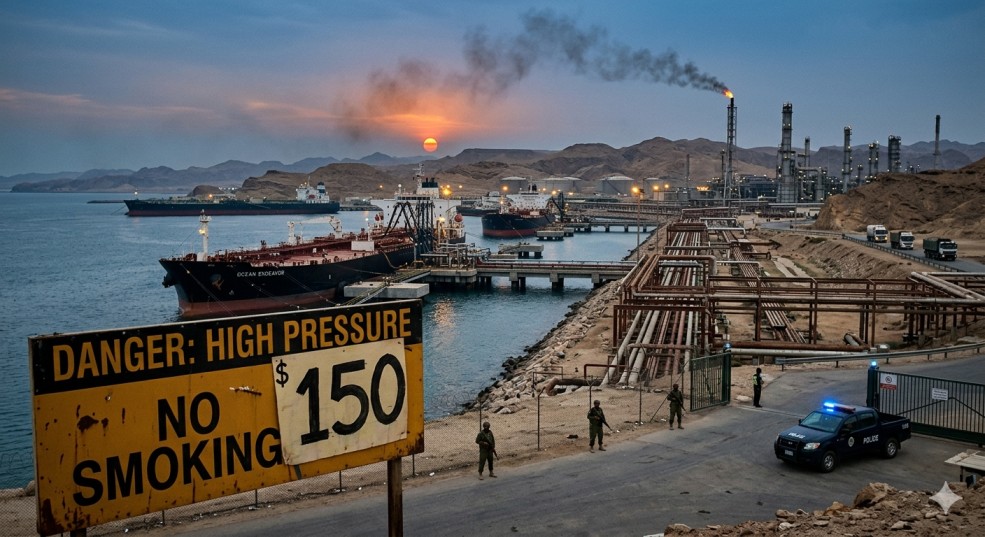
Global oil markets have once again moved into the spotlight as escalating tensions between the United States and Iran trigger concerns over potential supply disruptions. Crude oil prices climbed sharply overnight, with Brent crude approaching US$95 per barrel and WTI crude nearing US$92 per barrel, reflecting growing geopolitical uncertainty in the Middle East.
According to various media reports and energy market analysts, the key concern remains the Strait of Hormuz, one of the world's most important oil transit routes. Any significant disruption in this region could have far-reaching consequences for global energy supplies and commodity prices.
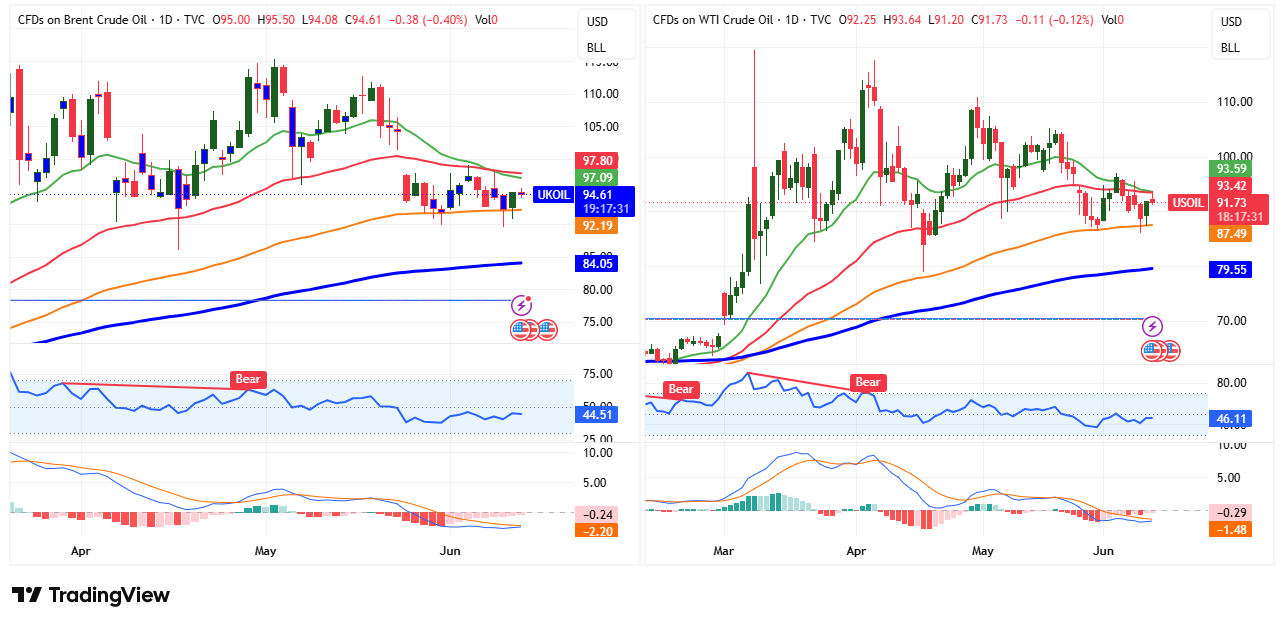
Brent & WTI Crude Oil Prices- Daily Chart (Source: TradingView)
Energy research firm Rystad Energy has suggested that a serious escalation in hostilities between the United States and Iran could potentially drive oil prices toward US$150 per barrel. While such a scenario is not currently the market's base case, it highlights the scale of risk that traders and investors are now considering.
Recent reports indicate that tensions increased following military activity involving US and Iranian forces near the Strait of Hormuz. While analysts generally view the developments as a warning rather than the beginning of a broader conflict, the situation remains fluid and continues to influence market sentiment.
The strategic importance of the Strait of Hormuz cannot be overstated. A substantial portion of the world's seaborne oil exports passes through this narrow waterway. Any disruption to shipping traffic could quickly tighten global supply conditions and push prices significantly higher.
However, several factors may help limit the extent of any price spike. Alternative export routes through Saudi Arabia's Red Sea infrastructure continue to provide some flexibility, while strategic petroleum reserves and increased production from key exporters could help offset temporary supply interruptions. Additionally, demand growth in some major economies has moderated compared to previous years.
Another supportive factor for oil prices has been the recent decline in US crude inventories. Inventory data has shown multiple consecutive weekly drawdowns, suggesting that underlying supply-demand conditions were already tightening before geopolitical risks intensified.
For Australian investors, higher oil prices can create both opportunities and challenges. Energy producers may benefit from stronger commodity prices and improved earnings prospects, while sectors heavily reliant on fuel and transportation costs could face margin pressures. Inflation expectations may also rise if elevated energy prices persist for an extended period.
At present, oil remains well below the US$150 level being discussed by some analysts. Nevertheless, the fact that such forecasts are now entering market conversations demonstrates how quickly geopolitical developments can reshape commodity market expectations.
Investors should continue monitoring developments in the Middle East closely, as future price movements are likely to be driven as much by geopolitical headlines as by traditional supply and demand fundamentals.