

Oil prices remained under pressure on Friday, with both Brent and WTI crude futures on track to record significant weekly declines as easing geopolitical tensions in the Middle East improved the outlook for global energy supplies.
Brent crude futures slipped to around US$79 per barrel, while West Texas Intermediate (WTI) traded near US$76 per barrel during Asian market hours. Both benchmarks are set to post losses of approximately 10% for the week, reflecting a sharp reversal from the elevated levels seen during the peak of the recent U.S.-Iran conflict.
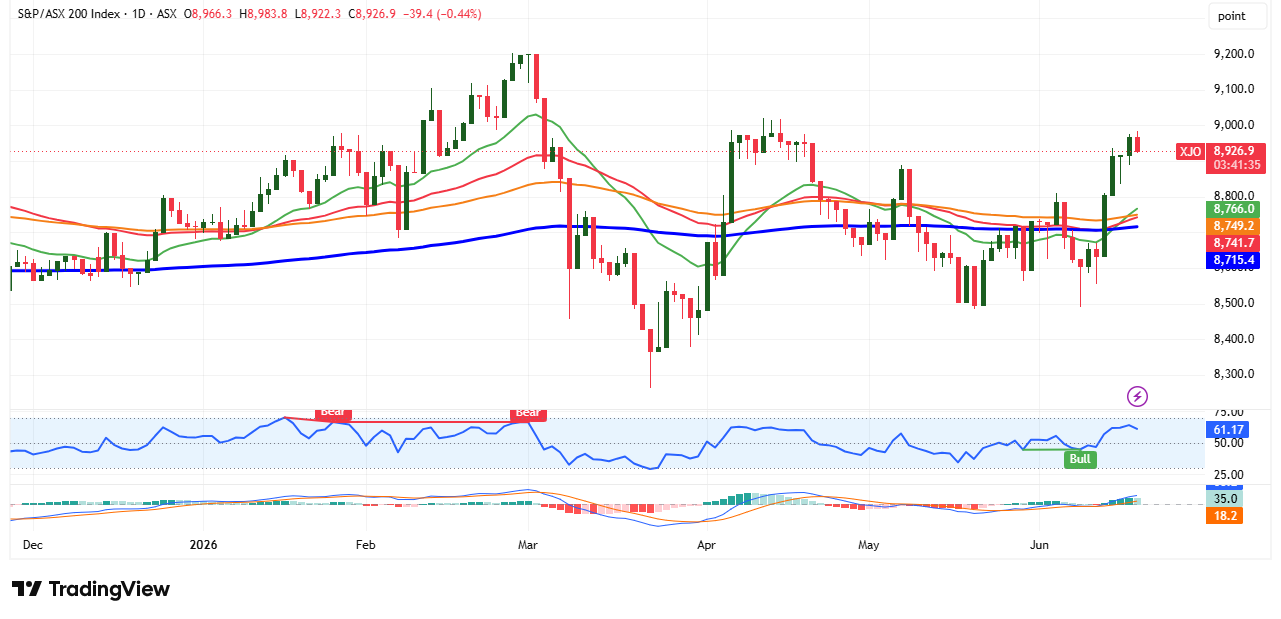
Light Crude Oil (NYMEX) (Source: TradingView)
Investor sentiment has improved considerably following reports of an interim peace agreement between the United States and Iran. According to various media sources, the agreement is aimed at reducing hostilities and restoring commercial shipping activity through the Strait of Hormuz, one of the world's most critical energy transport routes.
The Strait of Hormuz handles a substantial portion of global crude oil exports, and concerns over potential disruptions had previously pushed oil prices above US$120 per barrel. With shipping activity gradually resuming and reports indicating that vessels carrying previously stranded crude have begun moving through the region, fears of a prolonged supply shock have eased.
Market participants are also assessing the possibility that additional Iranian oil exports could return to international markets over the coming months. Increased supply expectations have contributed to the removal of much of the geopolitical risk premium that had been built into crude prices during the conflict.
Despite the positive developments, some uncertainty remains. Reports of fresh military activity in the region have raised questions about the durability of the current ceasefire arrangements. Analysts continue to caution that a full normalization of oil flows through the Gulf may take time and could remain vulnerable to geopolitical developments.
Beyond geopolitical factors, broader macroeconomic conditions have also weighed on crude prices. Recent comments from the U.S. Federal Reserve suggesting interest rates may remain higher for longer have strengthened the U.S. dollar, creating additional headwinds for commodity markets, including oil.
For Australian investors, lower oil prices may provide support for sectors sensitive to fuel and transportation costs, while energy producers could face short-term pressure if crude prices continue to retreat. Market participants will be closely monitoring developments in the Middle East, global supply trends, and central bank policy signals for further direction.
Disclaimer: Ace Investors Pty Ltd (ABN 70 637 702 188) authorized representative of MF & CO. ASSET MANAGEMENT PTY LTD (AFSL No.520442). Ace Investors has made all efforts to warrant the reliability and accuracy of the views and recommendations articulated in the reports published on its websites. Ace Investors research is based on the information known to us or which was obtained from various sources which we believed to be reliable and accurate to the best of its knowledge. Ace Investors provides only general financial information through its website, reports and newsletters without considering financial needs or investment objectives of any individual user. We strongly advocate that you seek advice, with your financial planner, advisor or stock broker, the merit of each recommendation before acting on any recommendation for their own specific financial circumstances and realize that not all investments will be suitable for all subscribers. To the scope permitted by law, Ace Investors Pty Ltd excludes all liability for any loss or damage arising from the use of this website and any information published (including any indirect or consequential loss, any data loss or data corruption). If the law prohibits this exclusion, Ace Investors Pty Ltd hereby limits its liability, to the scope permitted by law to resupply of the services. The securities and financial products we study and share information on, in our reports, may have a product disclosure statement or other offer document associated with them. You should obtain a copy of these before making any decision about acquiring any security or product. You can refer to our Financial Services Guide.